
Last updated September 10, 2026
Full 25-point door and opener safety check with every visit - springs, cables, rollers, tracks, and your LiftMaster or Chamberlain opener included
You get a price before we start. It does not change when the truck arrives.
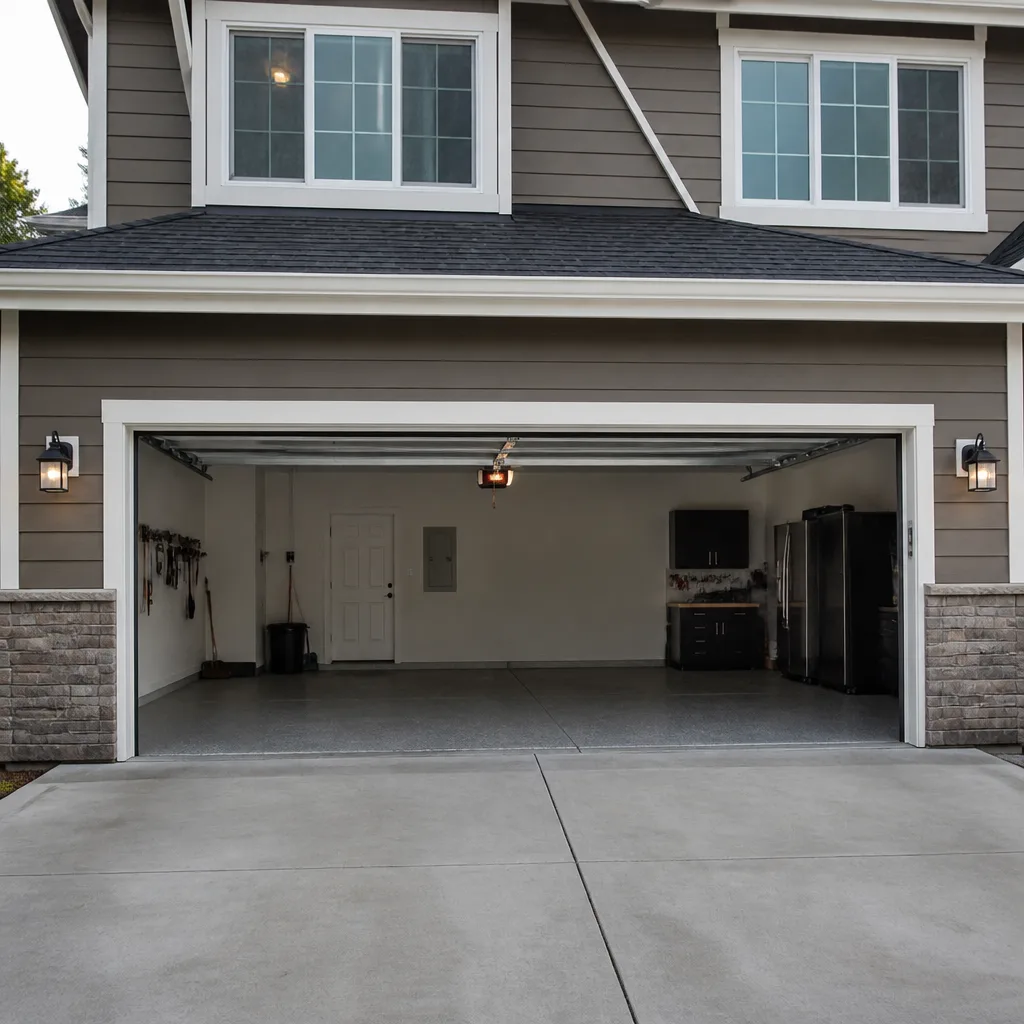
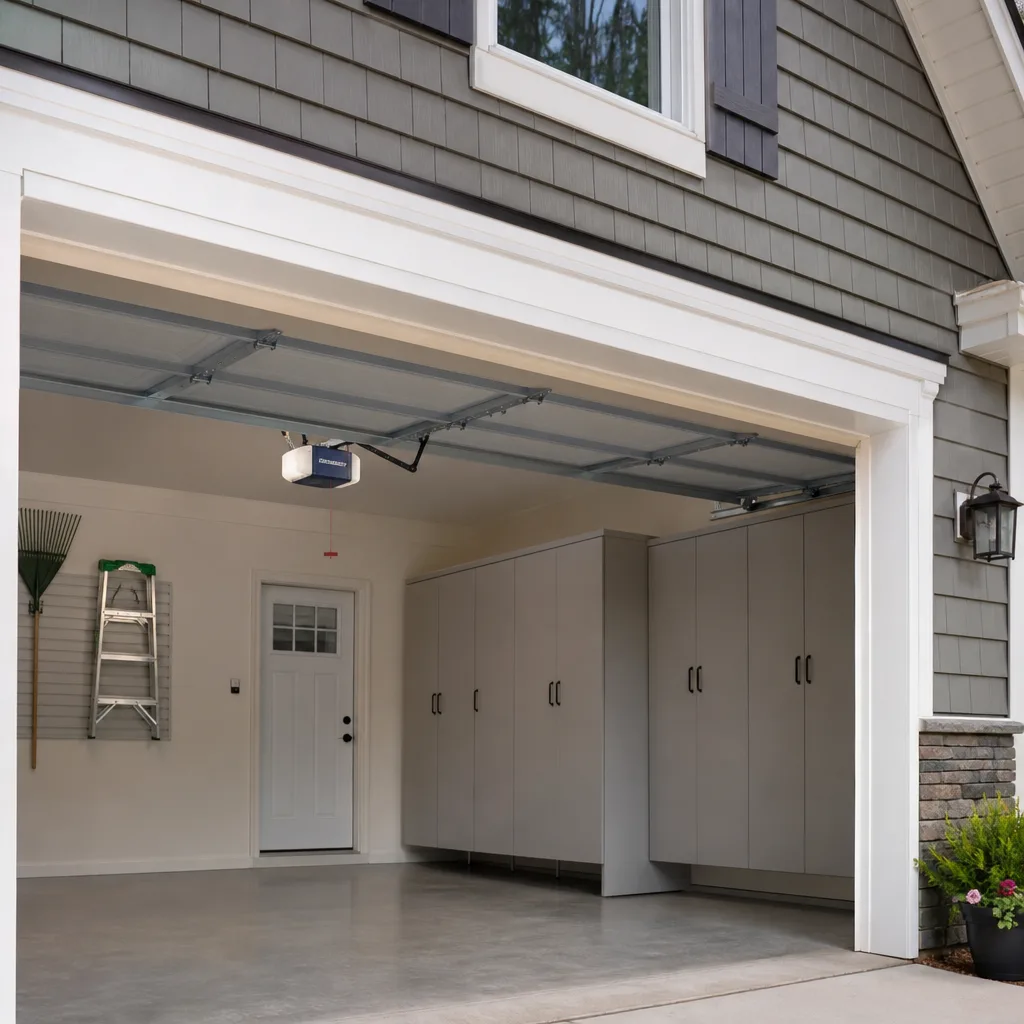
 Before
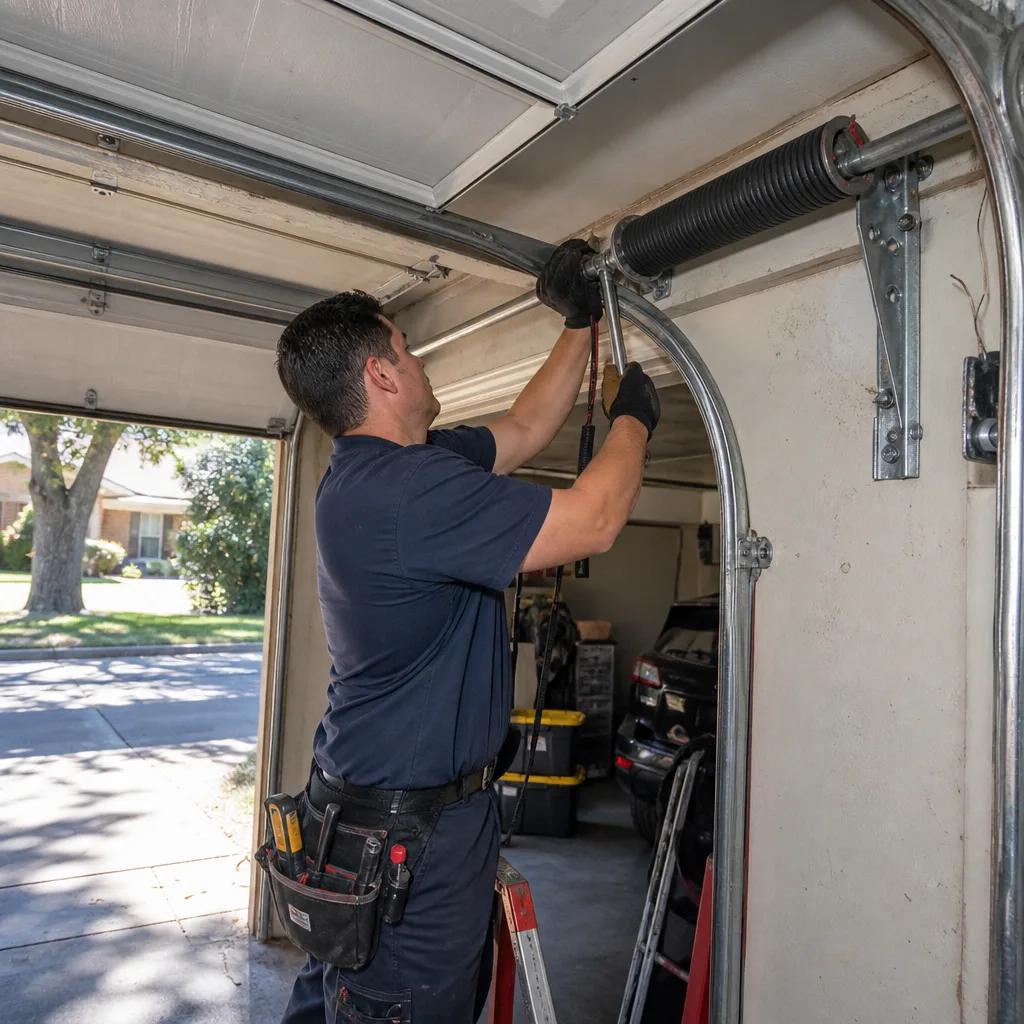 After
After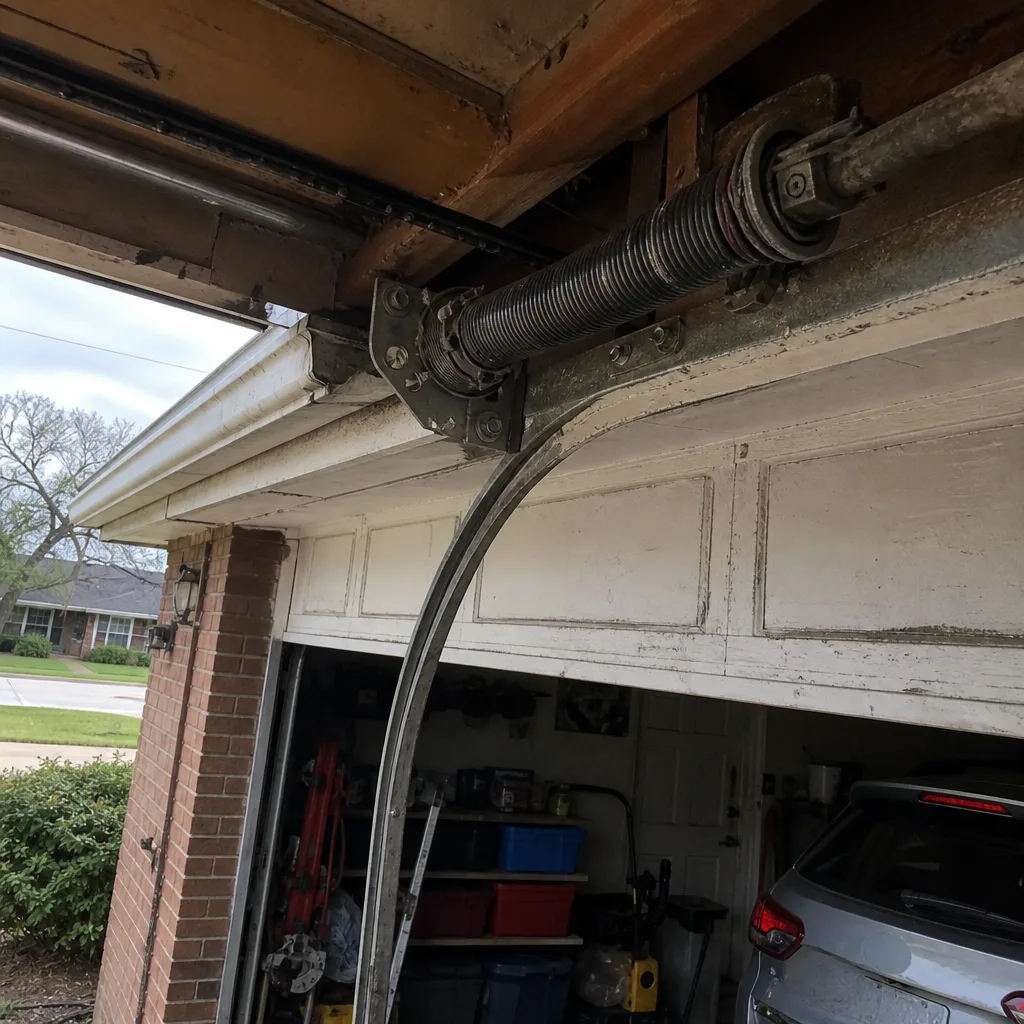 Before
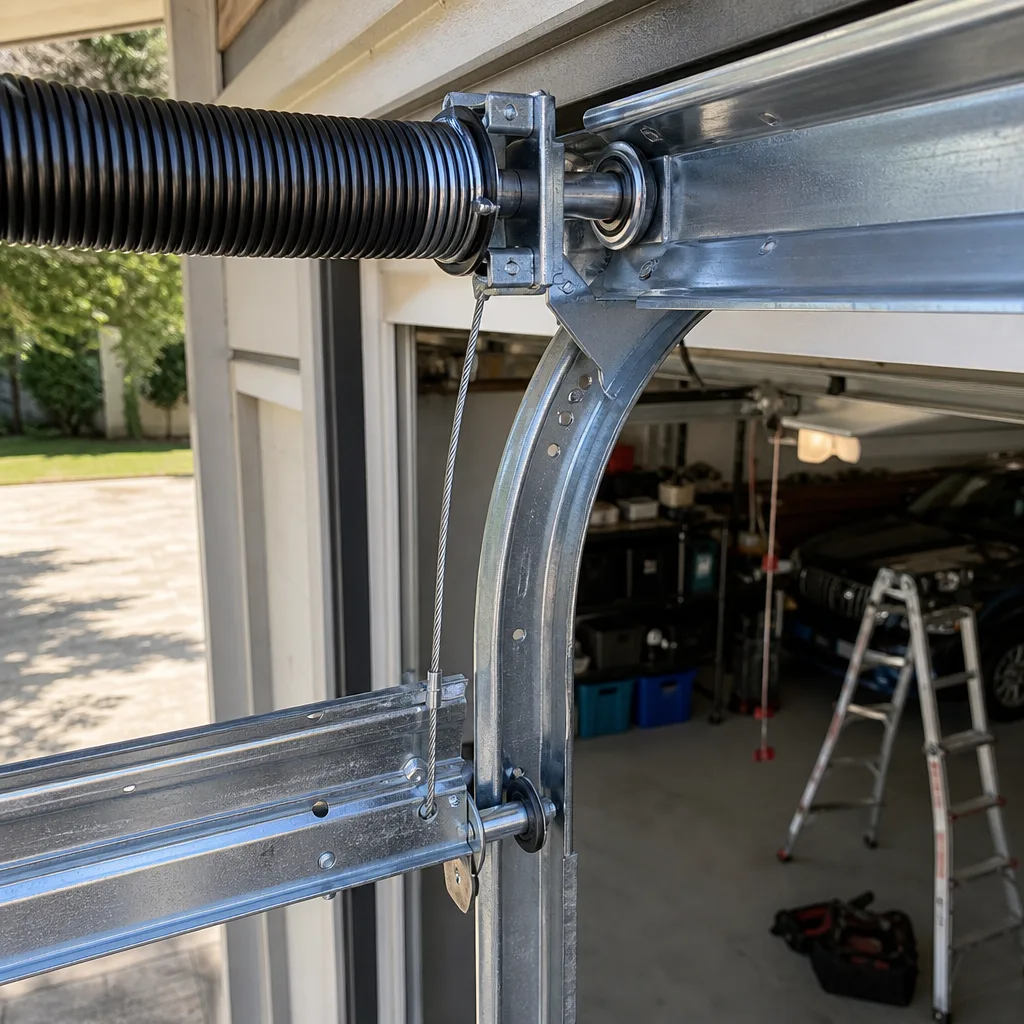 After
After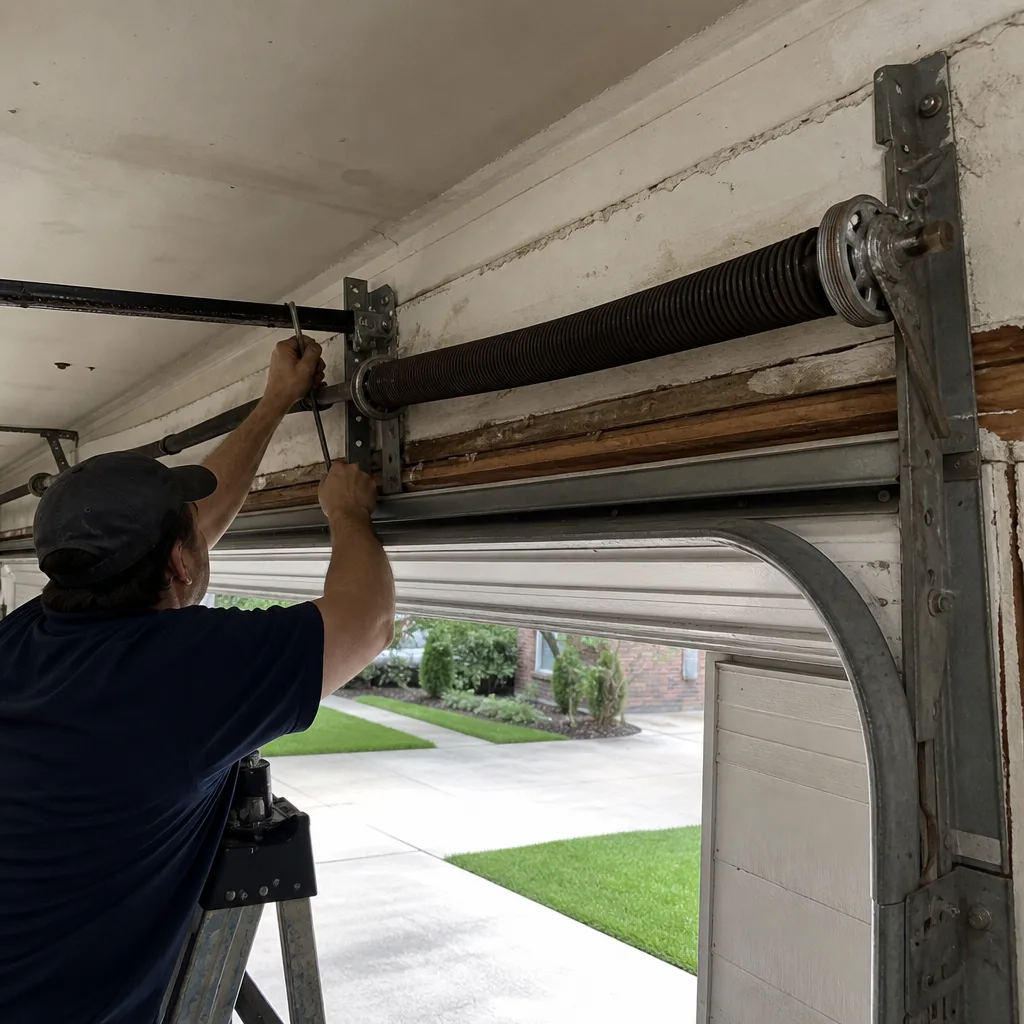 Before
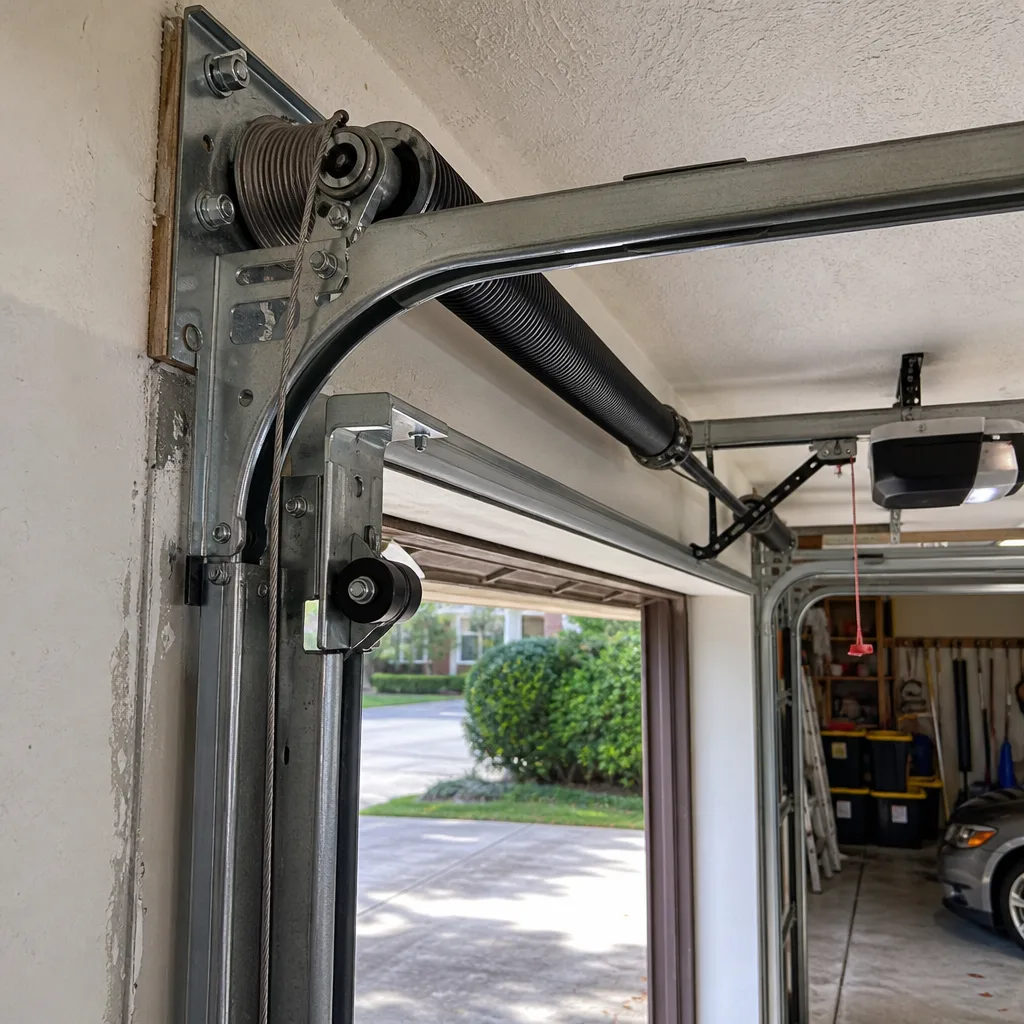 After
AfterGarage Door Warning Signs: A Bellaire Homeowner’s Reference Guide
A garage door that takes one extra second to open than it did six months ago is not a quirk. It is a measurable sign of spring fatigue or motor strain with a predictable endpoint, usually within 30 to 90 days. In Bellaire, where humidity swings from Gulf Coast summer saturation to winter dry spells, these early signals accelerate faster than they do inland. Our Complete Guide to Garage Door in Bellaire covers what to do after a spring snaps or an opener fails completely, while this guide focuses on the earlier warnings. This guide covers the quieter, earlier indicators that appear on ordinary Tuesdays, the ones that let you schedule a repair before your door traps your car on a Saturday morning.
Quick Answer
The earliest garage door warning signs in Bellaire include: cycle times slowing by more than one second, new or changed noises during operation, visible gaps in weather stripping visible during a light-bleed test, rust forming at spring coil contact points, and a door that drifts instead of holding steady at half-open. Catching these signals early typically means a $180-$340 adjustment or part replacement rather than a $1,200+ emergency rebuild.
Table of Contents
- The Timing Test: Detecting Motor Strain Before Failure
- Reading Rust Patterns on Bellaire Doors
- A Homeowner’s Noise Taxonomy
- The Light-Bleed Test for Seal Failure
- What a Balance Test Failure Actually Means
- Opener Warning Signs Most Owners Miss
- Track, Roller, and Hardware Wear Points
- Common Mistakes to Avoid
- When to Call a Professional
- Frequently Asked Questions
The Timing Test: Detecting Motor Strain Before Failure
The single most useful tool for early garage door diagnosis is already in your pocket. A phone stopwatch catches opener motor strain weeks before the unit fails to lift the door at all.
Here is how to run the test. Stand inside your garage with the door fully closed. Start the stopwatch the moment you press the remote or wall button. Stop it when the door reaches the fully open position. Do this three times and average the results. Write the number down with today’s date.
For standard residential doors in Bellaire, baseline cycle times fall into predictable ranges based on door weight and opener horsepower:
| Door Type | Typical Weight | 1/2 HP Opener | 3/4 HP Opener |
|---|---|---|---|
| Single steel door, uninsulated | 80-120 lbs | 10-12 seconds | 9-11 seconds |
| Single steel door, insulated | 120-160 lbs | 11-13 seconds | 10-12 seconds |
| Double steel door, uninsulated | 140-180 lbs | 12-14 seconds | 11-13 seconds |
| Double steel door, insulated | 180-240 lbs | 13-16 seconds | 12-14 seconds |
| Wood or wood-composite door | 200-350 lbs | 14-18 seconds | 12-15 seconds |
Retest every 60 days. A slowdown of more than one second from your established baseline indicates the motor is working harder against increased resistance. The cause is usually spring tension loss, though binding rollers or track misalignment can contribute. In Bellaire’s humid climate, seasonal garage door care becomes especially important in late summer when wood doors absorb moisture and steel components encounter more friction from swollen seals.
The critical threshold is two seconds of slowdown. At that point, the opener’s internal thermal cutoff is cycling more frequently to protect the motor. Continued operation risks burning out the logic board, a $400-$650 repair that has nothing to do with the original spring problem. We have replaced dozens of LiftMaster and Chamberlain logic boards in Bellaire homes where a simple spring adjustment six weeks earlier would have prevented the failure entirely.
One additional note: if your opener has a battery backup, test with the garage disconnected from power as well. A weak battery can mask motor strain by causing the unit to hesitate, which looks like slowness but indicates a different problem.
Reading Rust Patterns on Bellaire Doors
Not all rust demands action. Surface oxidation on exposed steel is normal in a city where afternoon humidity regularly climbs past 75% and salt air drifts inland from Galveston Bay. The rust that matters forms at specific mechanical stress points and follows predictable patterns.
Surface oxidation that does not require action: Light orange-brown discoloration on the exterior face of door panels, on decorative hardware, or along the bottom edge of the track where occasional water pools. This rust is cosmetic. It does not penetrate the steel’s structural integrity and responds well to wire brushing and touch-up paint.
Rust that signals impending failure:
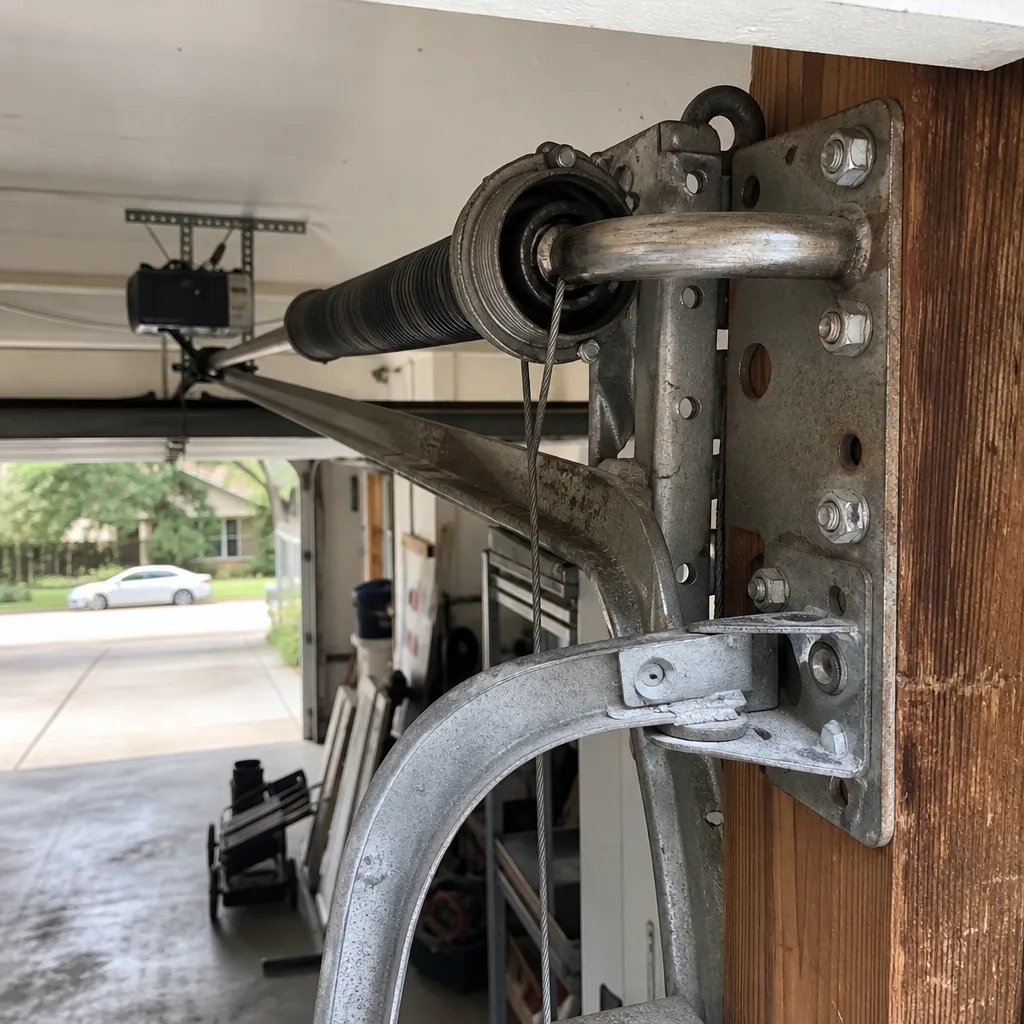
- Spring coil contact rust: Torsion springs sit under enormous tension, typically 10,000-15,000 cycles of wound and unwound steel. Where coils press against each other at full tension, any moisture intrusion creates fretting corrosion. Look for reddish-brown powder accumulating at the gaps between active coils, not just surface staining. This rust acts as an abrasive, accelerating wear with every cycle. A spring showing this pattern in Bellaire’s climate has typically passed 80% of its useful life.
- Cable fraying with orange staining: Lift cables run over pulleys and drums with constant flexing. Rust at the point where individual wires separate indicates internal corrosion you cannot see. A cable with this pattern has lost strength unpredictably and can fail without further warning.
- Track interior rust: The inside surface of the vertical track should remain clean and dark. Rust here increases roller friction, which shows up in your timing test before it becomes visible as scraping or jerking.
- Hinge pin rust with lateral play: Grab a door panel and attempt to move it side to side. If the hinge pin shows rust and the panel shifts more than 1/4 inch, the hinge is structurally compromised. In a wind event, which Bellaire sees during hurricane season, this play can allow panel separation.
The salt-humidity combination here is distinct from drier inland climates. We regularly see doors in Bellaire’s older neighborhoods, particularly south of Bellaire Boulevard, where original hardware from the 1970s and 1980s has survived decades but finally succumbs to this specific corrosion pattern. The Gulf breeze that keeps afternoons pleasant carries enough salt to matter over 10,000 cycles.
Prevention is straightforward and rarely discussed: a thin film of silicone-based lubricant on springs and hinges every six months displaces moisture without attracting dust. Avoid WD-40 for this purpose; it evaporates and leaves a residue that traps humidity.
A Homeowner’s Noise Taxonomy
Describing a sound accurately over the phone helps a technician arrive with the right parts. These are the specific noises we ask about, what each indicates, and what action it requires.
Pop: A single sharp pop, usually during the first foot of travel or the last foot. This is almost always a torsion spring settling into or out of its coil bind position. One pop per cycle is early-stage spring fatigue. Multiple pops, or a pop accompanied by visible spring gap, means the spring has lost tension segments and is running unevenly. Schedule replacement within two weeks. The pop is the sound of metal yielding; it will not improve.
Scrape: A continuous or intermittent metallic drag. Check the track interior for debris, but if the track is clean, scrape indicates a bent track section or a roller whose bearing has failed and whose wheel is now sliding rather than rolling. A failed roller bearing also appears in the timing test as uneven speed. Scrape sounds from the bottom of the door usually mean the bottom seal retainer is contacting the track or the floor has settled, which we see in Bellaire’s clay-gumbo soil conditions after extended drought followed by heavy rain.
Grind: A low, continuous roughness, most often from the opener’s drive gear or from a roller bearing in late failure. Opener gear grinding typically worsens under load, so it is louder lifting than lowering. Roller grinding is constant through the travel. Grind from the opener means the nylon drive gear is stripping; replacement is $180-$280 for most Genie and LiftMaster units, but continuing to operate risks damaging the sprocket and chain, doubling the repair.
Skip: An intermittent catch-and-release, like a record needle hopping. This is the most serious noise. In a chain or belt drive, skip means worn sprocket teeth or a loose chain. In a screw drive, it means the carriage threads are stripping. In a direct drive, skip usually indicates a failing motor bearing. Skip causes impact loading on every catch, stressing every other component. Stop using the door and call for service.
Squeal: A high-pitched sustained tone, almost always from opener motor bearings or from dry rollers. Motor squeal under load that stops when the door is disconnected means the motor is straining against excess weight, pointing back to spring tension loss. Roller squeal that continues after lubrication means the bearing is dry and failing; the roller will soon lock and become a scrape.
Record a 10-second video of the noise from two angles: one facing the door, one facing the opener. Email it when you call. We have identified the specific failed component from video alone in roughly half our Bellaire service calls, which lets us confirm the right parts are on the truck before we leave the shop.
The Light-Bleed Test for Seal Failure
Weather seal failure precedes water intrusion by months, but the gap is often too small to see in daylight. The light-bleed test finds it reliably.
Run this test after dark. Close the garage door. Turn off all interior garage lights and any lights in adjacent rooms that shine toward the door. Stand inside the garage and look at the perimeter of the closed door. Any visible line of exterior light indicates a gap where the seal no longer compresses fully against the frame or floor.
Check three zones specifically:
- Bottom seal: Light across the full width means the rubber or vinyl seal has flattened or torn. Light at one corner only usually indicates the door is out of level, common in Bellaire where expansive clay soils shift concrete slabs seasonally. Light at the center only suggests the bottom panel has sagged or the seal retainer has pulled loose.
- Side seals: Vertical light streaks mean the vinyl or brush seal has compressed permanently or the door is tracking closer to one jamb than the other. In Bellaire’s older homes near Evergreen Park, we see this where original wood jambs have warped from decades of humidity cycling.
- Top seal: Light at the header is the most commonly missed. The top seal takes the least direct weather but is critical for pest exclusion. A gap here lets in attic heat and, during Bellaire’s spring termite swarms, provides entry for alates seeking wood-to-soil contact.
Seal failure matters beyond energy efficiency. A 1/4-inch gap at the bottom of a standard 16-foot door admits approximately 0.4 square feet of open area, equivalent to leaving a window cracked three inches year-round. During Bellaire’s flash-flood events, that gap admits water that pools at the slab edge and wicks into drywall. We have replaced bottom panels in homes where the homeowner never noticed the seal gap but discovered the damage when baseboards swelled.
Replacement is straightforward: a new bottom seal costs $15-$40 in material, and most doors accept universal replacement without special ordering. Side and top seals vary by door model; Clopay and Amarr use different retainer profiles, so the specific part matters. A technician can identify the profile from a phone photo.
What a Balance Test Failure Actually Means
The balance test is the most misinterpreted diagnostic in garage door maintenance, and misreading it leads to expensive, unnecessary repairs.
Here is the proper procedure. Disconnect the opener by pulling the red emergency release cord. Manually lift the door to the halfway-open position. Release it gently. A properly balanced door remains in place or drifts slowly no more than six inches in either direction. A door that crashes closed or rises rapidly has a spring tension problem. A door that will not stay within that six-inch window at any position, not just halfway, also has a spring problem.
The critical error homeowners make: observing that the door will not hold at half-open and concluding the opener is weak or failing. This is backwards. The opener does not hold the door at half-open; the springs do. The opener only provides lift force during active operation. A door that crashes when disconnected has lost spring tension. Installing a larger or new opener on this door masks the symptom temporarily, overloads the new unit, and guarantees premature opener failure.
We see this misdiagnosis regularly in Bellaire, particularly after homeowners follow a low bid without knowing how to hire a garage door contractor who stocks springs rather than just selling openers. The sales pitch emphasizes opener horsepower as the solution. A 3/4-horsepower opener on a door with failed springs is working at its thermal limit every cycle. The correct repair is spring adjustment or replacement, typically $220-$380, after which the existing opener operates normally.
Spring tension loss follows a curve, not a cliff. Early-stage loss shows as the door drifting six to twelve inches from half-open. Mid-stage loss shows as the door falling to the floor from any position above two feet. Late-stage loss shows as the opener straining, reversing, or clicking its thermal cutoff. The timing test catches this curve at the early stage, before the door becomes dangerous to operate manually.
One safety note: never attempt to adjust torsion springs yourself. These springs store enough energy to cause serious injury or death if the winding bars slip. The red release cord exists for emergency exit, not for maintenance access. If your balance test fails, the door is a hazard until a trained technician corrects the spring tension.
Opener Warning Signs Most Owners Miss
Modern openers provide diagnostic information most owners never access. Learning to read these signals prevents the sudden total failure that strands a car inside.
LED diagnostic patterns: Most LiftMaster, Chamberlain, and Craftsman openers manufactured after 2012 flash their overhead LED in specific sequences to indicate fault conditions. Five flashes typically indicate motor overheating or RPM sensor failure. Four flashes indicate obstruction sensor misalignment. One flash indicates a wiring fault. The pattern repeats until cleared. Check your owner’s manual for the specific code, or photograph the flash sequence for your technician.
Remote range reduction: If you must be within 10 feet for the remote to work, when 50 feet used to suffice, the issue is rarely the remote battery alone. Reduced range often indicates failing logic board capacitors or antenna connection corrosion. In Bellaire’s humidity, we see antenna connections oxidize at the opener terminal block, reducing effective range by half before total failure.
Intermittent reversal: A door that reverses for no visible obstruction, or reverses at the same point in travel repeatedly, has a force-sensitivity issue. Openers have internal force adjustment pots that drift over years of vibration. More seriously, this pattern indicates the opener is encountering more resistance than its setting allows, which points back to spring tension loss, binding rollers, or track misalignment. Adjusting the force setting upward without finding the root cause risks crushing an obstruction the safety system should detect.
Backup battery behavior: Units with battery backup should run a self-test monthly. If the battery indicator shows red or the unit fails to operate during a power test, replace the battery. A failed backup battery can damage the charging circuit, and during Bellaire’s hurricane-season outages, the backup is the only way to secure your garage before evacuating.
Wall button versus remote discrepancy: If the wall button operates the door but remotes do not, the issue is radio frequency, not motor mechanics. Check for LED bulb interference, which affects some Genie and LiftMaster models. If you recently installed LED bulbs in the opener’s light socket, swap them for incandescent or specific garage-door-rated LEDs. This single change resolves roughly 15% of the radio-frequency service calls we make in Bellaire.
Track, Roller, and Hardware Wear Points
The mechanical system that guides the door receives less attention than springs and openers but generates more emergency calls when it fails catastrophically.
Roller wear: Standard steel rollers with unsealed bearings last 8-12 years in Bellaire’s climate; sealed nylon rollers last 12-15. The failure mode differs. Steel rollers grind audibly as bearings dry out, then seize and slide. Nylon rollers fail silently, the wheel cracking around the bearing until it separates from the stem. A separated roller allows the door to drop partially out of the track, which usually jams the door completely and bends the track.
Inspect rollers annually with the door closed. A roller that does not spin freely by hand, or one with visible lateral play in the stem, is due for replacement. Replacement requires releasing spring tension; this is not a homeowner task.
Track alignment: The horizontal and vertical track sections must meet at a precise angle, with consistent spacing between track walls. Check with a level: the vertical track must be plumb, and the horizontal track must slope slightly down toward the opener to prevent the door from rolling backward. Bellaire’s clay soils shift concrete slabs, and we see track misalignment develop within two to three years of slab movement. The symptom is a door that binds at the transition point or leaves a gap at one side of the header.
Bracket integrity: The bottom bracket, where the lift cable attaches to the door, carries the full spring tension during operation. Rust at this bracket, or any visible crack in the stamped steel, is an immediate safety concern. The bracket failing under load releases cable tension unpredictably and can damage the door, the track, or anything in the path. We replace bottom brackets proactively when rust exceeds surface level, particularly on older Clopay and Wayne Dalton doors where the original bracket gauge was lighter than current standards. For more guides & resources on keeping your system safe, see our blog.
Fastener loosening: Vibration loosens track bolts and jamb brackets over years. A loose track bolt allows the track to shift during operation, which appears as intermittent binding or noise that seems to move around. Annual inspection with a socket wrench takes ten minutes and prevents the galling damage that occurs when a shifted track wears against rollers.
Common Mistakes to Avoid
- Ignoring a one-second cycle slowdown. In our experience, this early signal precedes major failure 70% of the time. The homeowner who waits for obvious symptoms pays for the emergency premium and often needs opener replacement in addition to spring repair.
- Lubricating the track. The track is not a wear surface; rollers roll on bearings, not on the track surface. Oil or grease on the track attracts dust that forms an abrasive paste. Lubricate bearings, hinges, and spring coils only.
- Replacing an opener before testing spring balance. This is the most expensive misdiagnosis we correct. A new opener on an unbalanced door fails prematurely and voids most manufacturer warranties for improper application.
- Using the emergency release for routine access during a power outage. The red cord is for emergencies, not convenience. Repeated manual operation of a heavy door with failed springs risks personal injury and cable damage. Install a battery backup opener or a separate exterior manual lock if power outages are frequent.
- Assuming surface rust is harmless without checking coil contact points. Bellaire’s humidity makes this assumption costly. The rust that matters hides where coils touch under tension, not where it is visible on the exterior.
- Calling for “tune-up” services that do not include balance testing. A tune-up that lubricates and inspects visually but does not disconnect the opener and verify balance is incomplete. We include balance testing, force setting verification, and safety sensor alignment in every Garage Door Repair in Bellaire service call.
When to Call a Professional
Call for same-day service if your door reverses unpredictably, if a spring shows visible separation or rust at coil contact points, if a cable is frayed, if the door has come out of the track, or if the opener logic board shows persistent diagnostic flashes. These conditions present safety risks that do not improve with waiting.
Schedule within one to two weeks for cycle slowdown, new noises, seal gaps found on light-bleed test, or balance test drift beyond six inches. These are maintenance windows before failure.
Mainspring Garage Door Co. offers free estimates in Bellaire. A technician arrives with springs, cables, rollers, and opener components on the truck, diagnoses the specific issue, and states the flat price before any work begins. Most repairs are completed in a single visit. Call (832) 937-9424 to schedule.
Frequently Asked Questions
Standard torsion spring replacement in Bellaire typically runs $220-$380 for a single spring and $340-$520 for a dual-spring system, depending on door weight and spring cycle rating. Extension spring systems cost slightly less. The price includes parts, labor, and balance adjustment. We state the exact price before starting work, and every repair carries our 90-Day Done Right Promise. Call (832) 937-9424 for a free estimate.
No. A door that will not stay open has lost spring tension, and adjusting torsion springs requires specialized tools and training. The stored energy in a wound torsion spring can cause serious injury if the winding bars slip. Disconnect the opener using the red emergency cord, open the door manually if you can do so safely, and prop it securely if you need vehicle access. Then call a professional. This is not a DIY repair.
Test balance every six months, and whenever you notice a change in operation speed or noise. The test takes two minutes: disconnect the opener, lift the door to half-open, and release. Mark your calendar for April and October, before Bellaire’s summer heat and winter cold extremes stress components at their maximum.
Intermittent operation usually indicates one of three conditions: failing force sensitivity from increased door resistance, radio-frequency interference from LED bulbs or nearby electronics, or loose wiring connections that make contact only when the opener housing flexes during operation. Start by swapping LED bulbs for incandescent. If the problem persists, the opener needs professional diagnosis of its logic board and motor condition.
Yes. Gulf Coast humidity accelerates corrosion on springs and hardware by roughly 20% compared to drier inland climates. Salt air from Galveston Bay, though diluted by distance, contributes to faster oxidation on exposed steel surfaces. Expansive clay soils in Bellaire shift concrete slabs seasonally, affecting track alignment and seal compression. These factors make proactive maintenance more valuable here than in drier, more stable soil regions.
No. At Mainspring Garage Door Co., the price we quote after diagnosis is the price you pay. We do not charge additional fees for “unforeseen complications” after work begins. If we discover a secondary issue during repair, we stop, explain the finding, and quote separately before proceeding. You approve every dollar before it is spent. This is our no-surprises commitment, and it is stated in writing on every job.
The Bottom Line
The garage door breakdowns that strand Bellaire homeowners on Saturday mornings announce themselves on ordinary Tuesdays, if you know what to measure. Time your door’s cycle. Listen for new noises and name them accurately. Run the light-bleed test seasonally. Verify balance twice yearly. These five-minute checks catch spring fatigue, motor strain, and seal failure in the repair window, before they become emergencies. The cost difference is substantial: a $220 spring adjustment versus a $1,200 Saturday emergency involving spring replacement, opener damage, and water intrusion from a failed seal. The door will tell you what it needs. The question is whether you are listening before it has to shout.
Written by Carl Dutton, Owner at Mainspring Garage Door Co., serving Bellaire since 2016.