
Last updated September 10, 2026
Full 25-point door and opener safety check with every visit - springs, cables, rollers, tracks, and your LiftMaster or Chamberlain opener included
You get a price before we start. It does not change when the truck arrives.
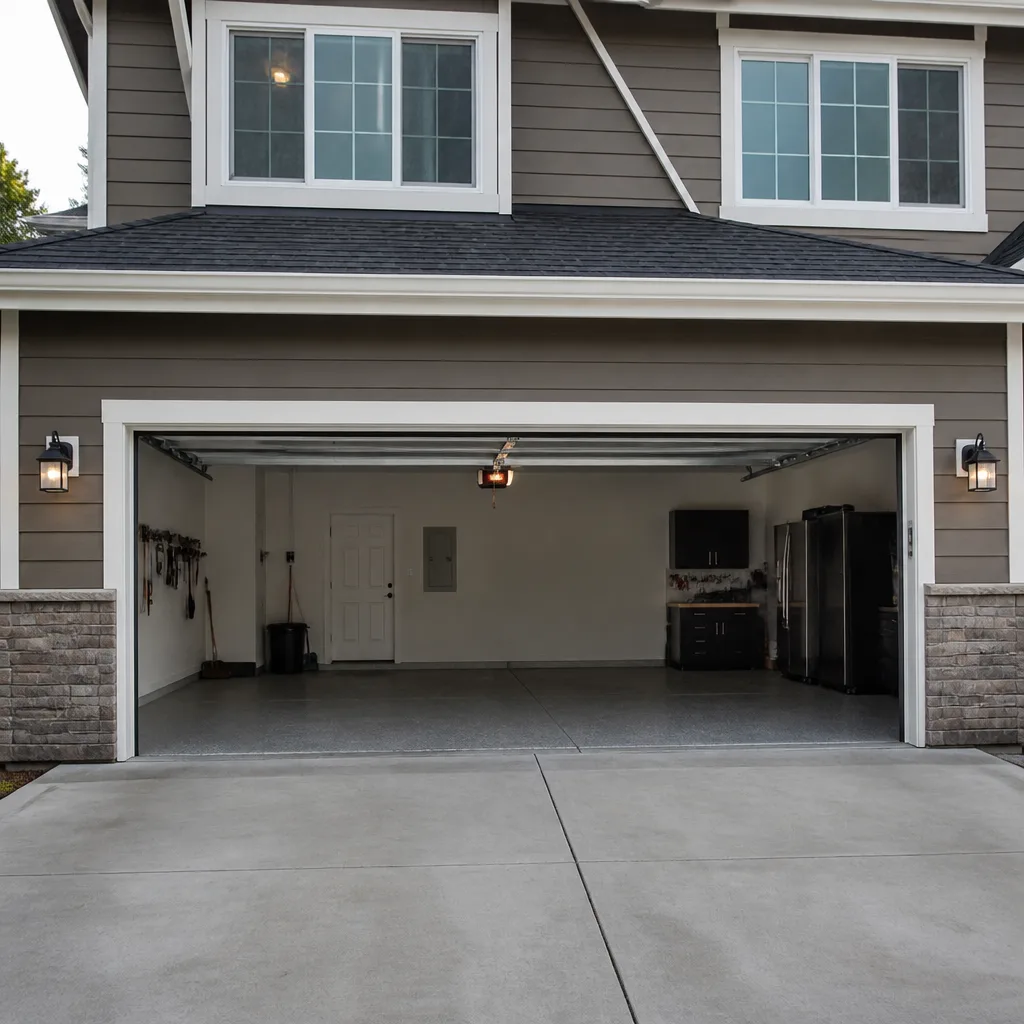
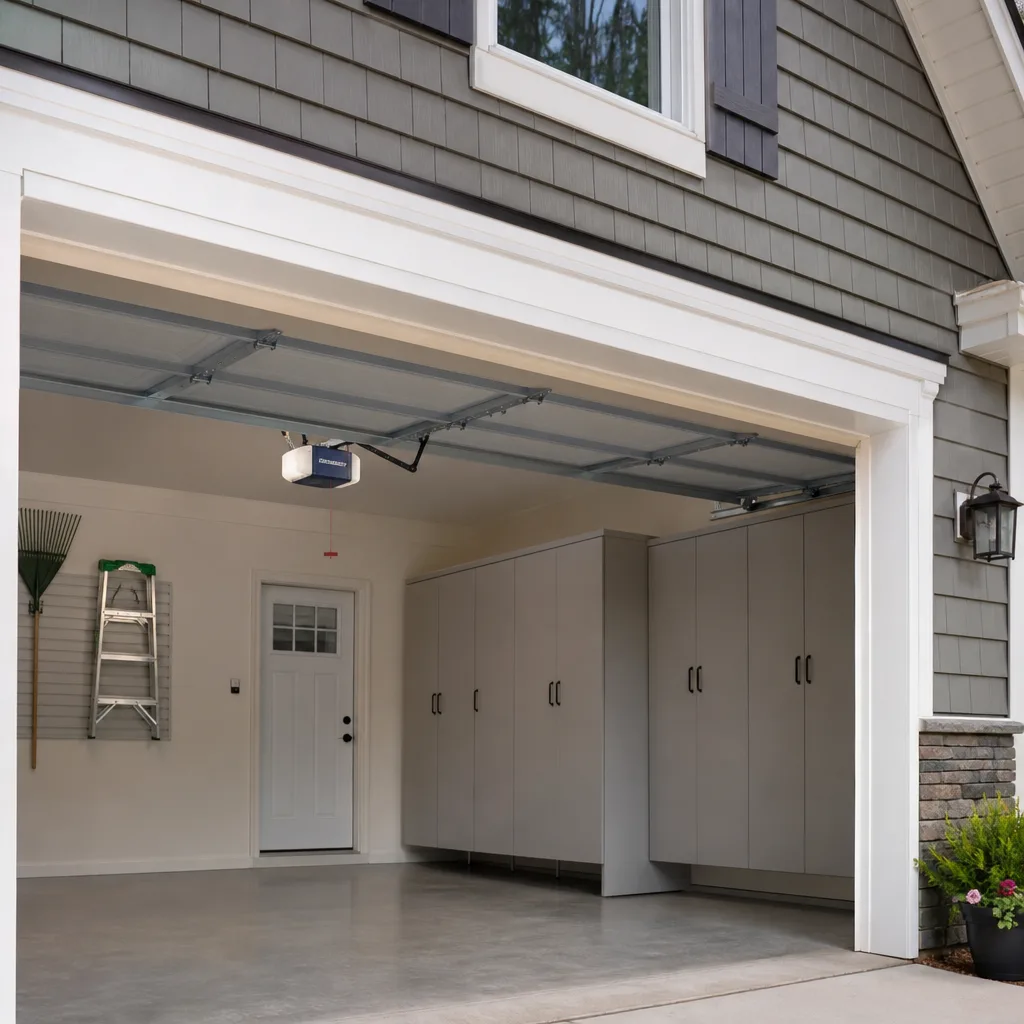
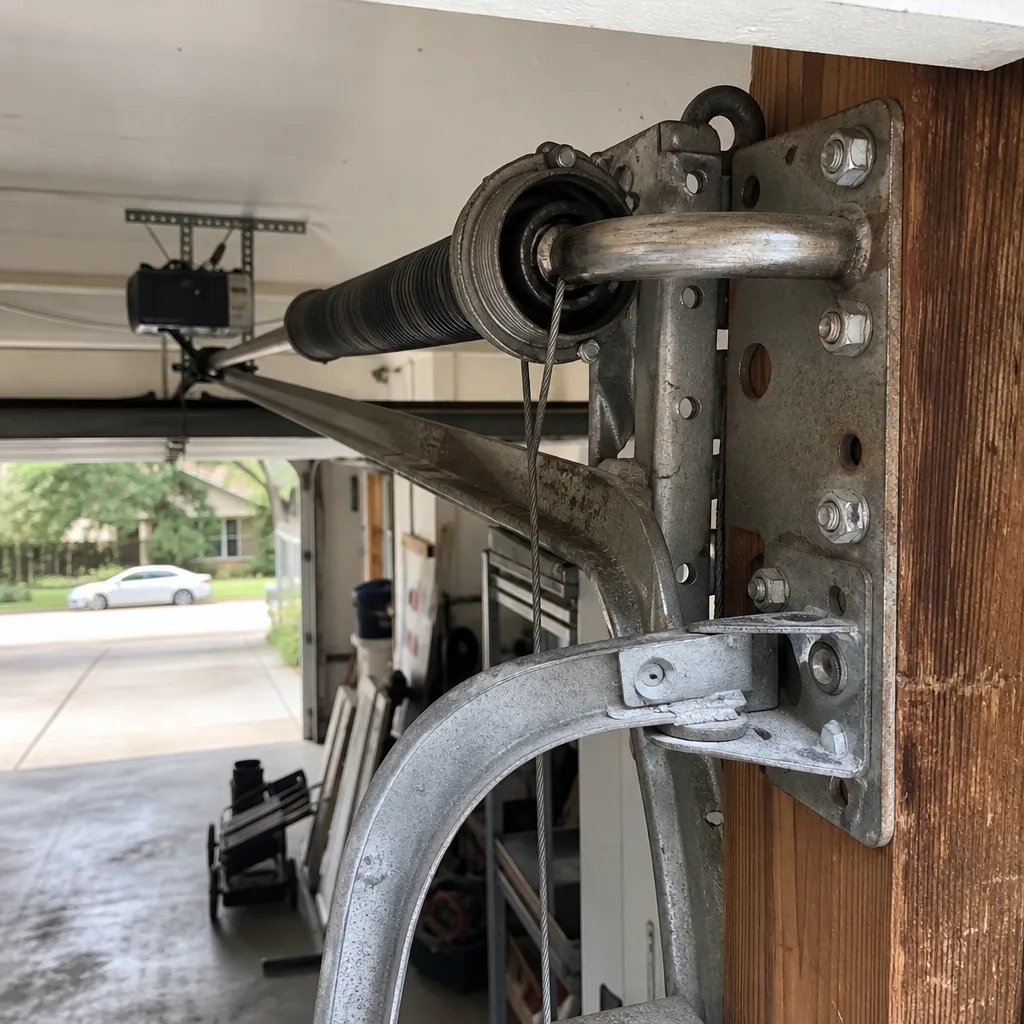 Before
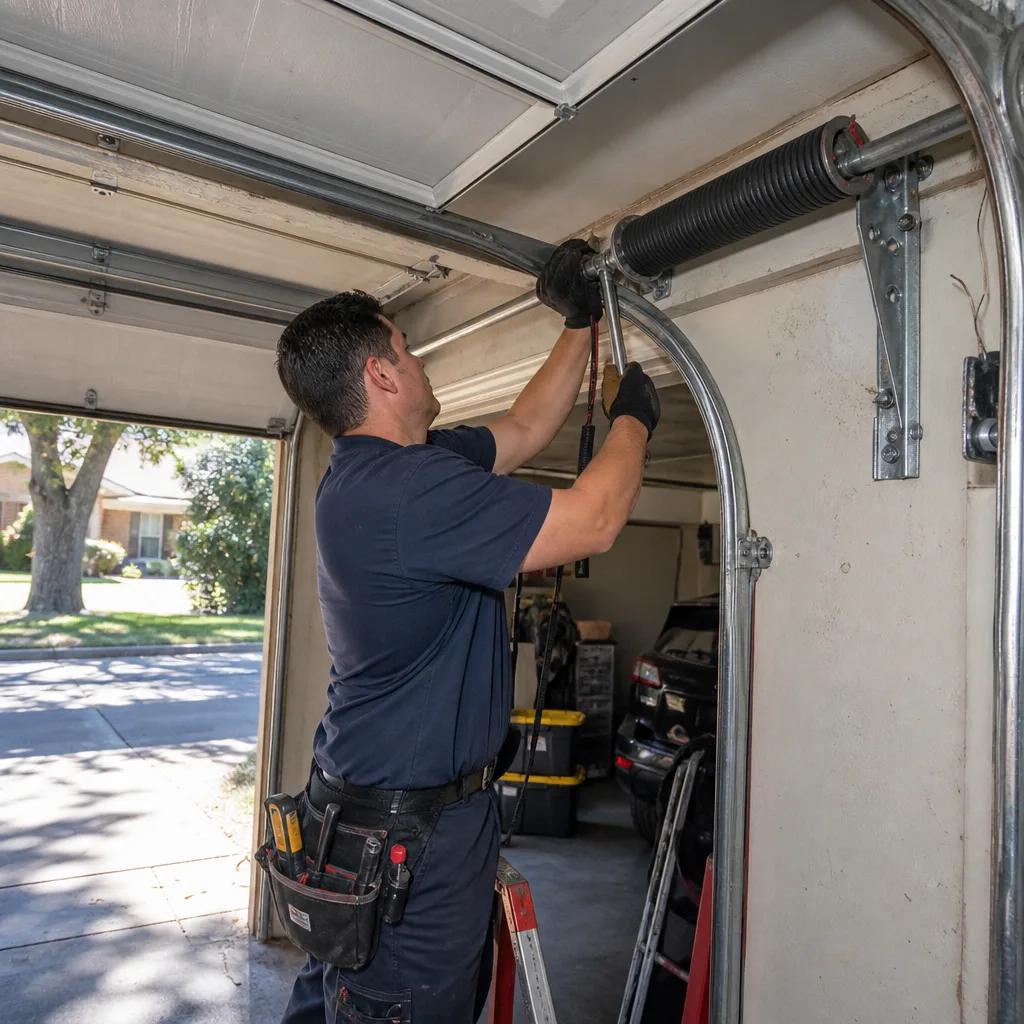 After
After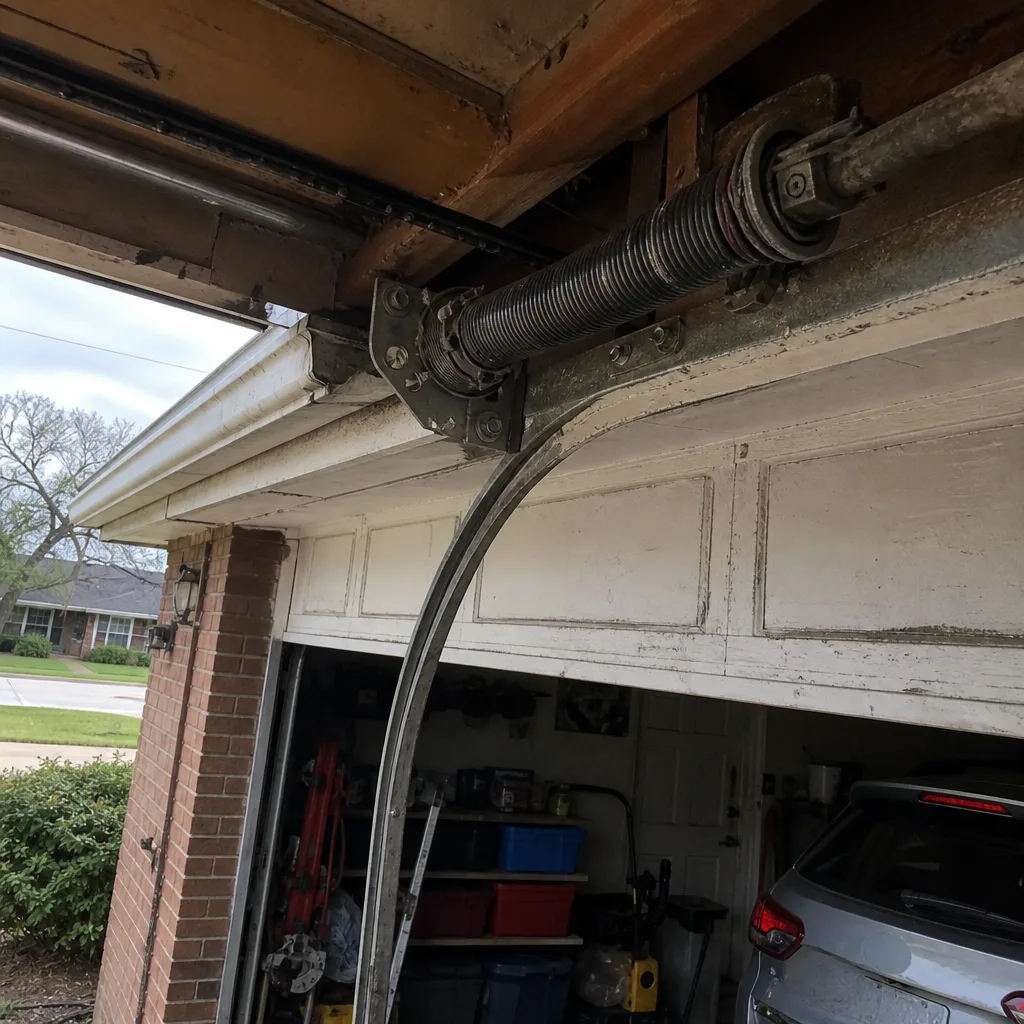 Before
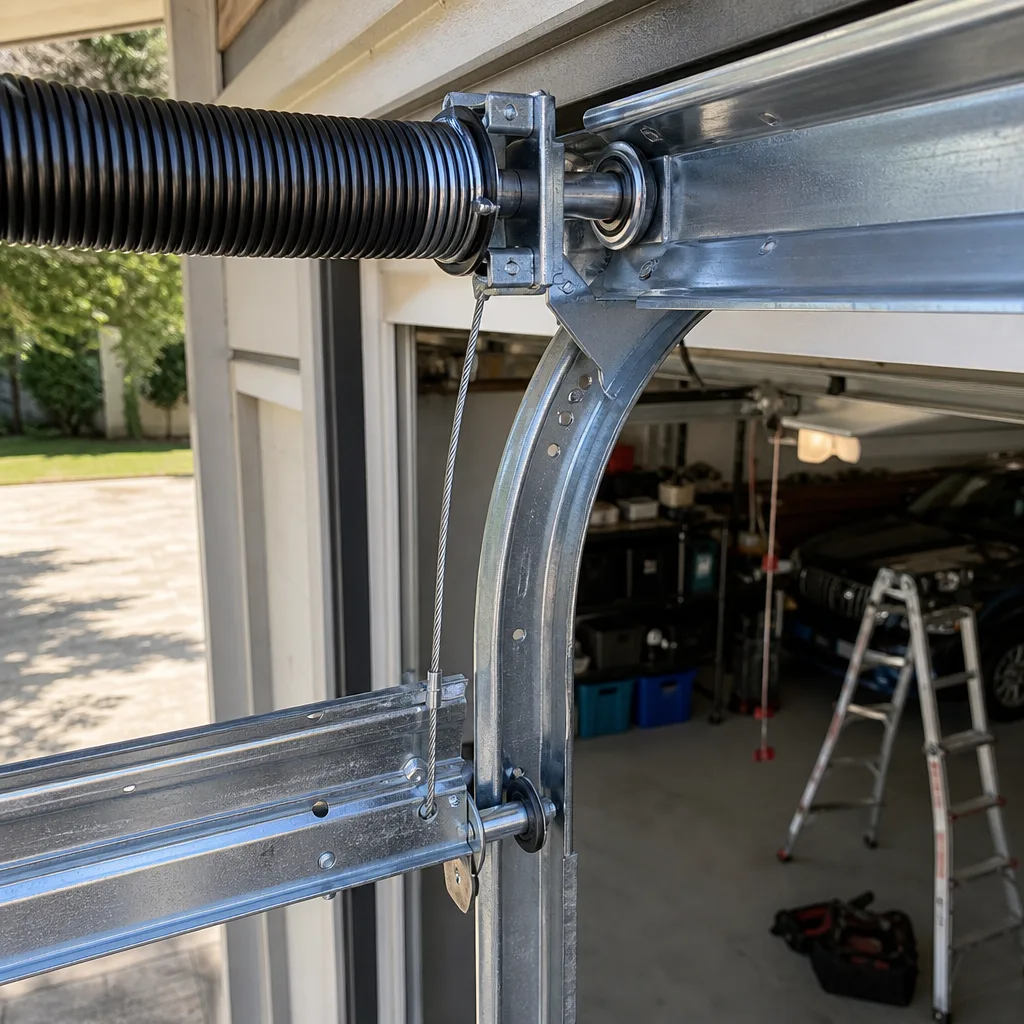 After
After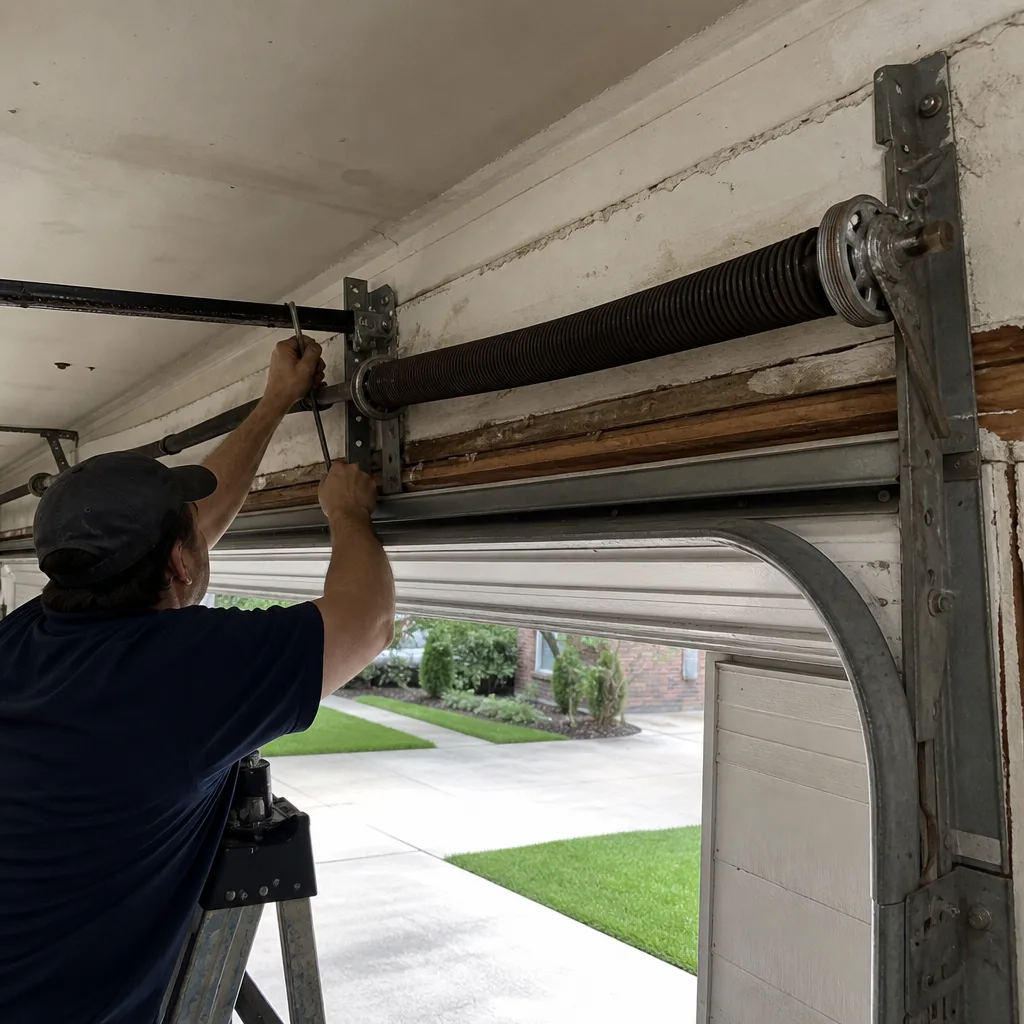 Before
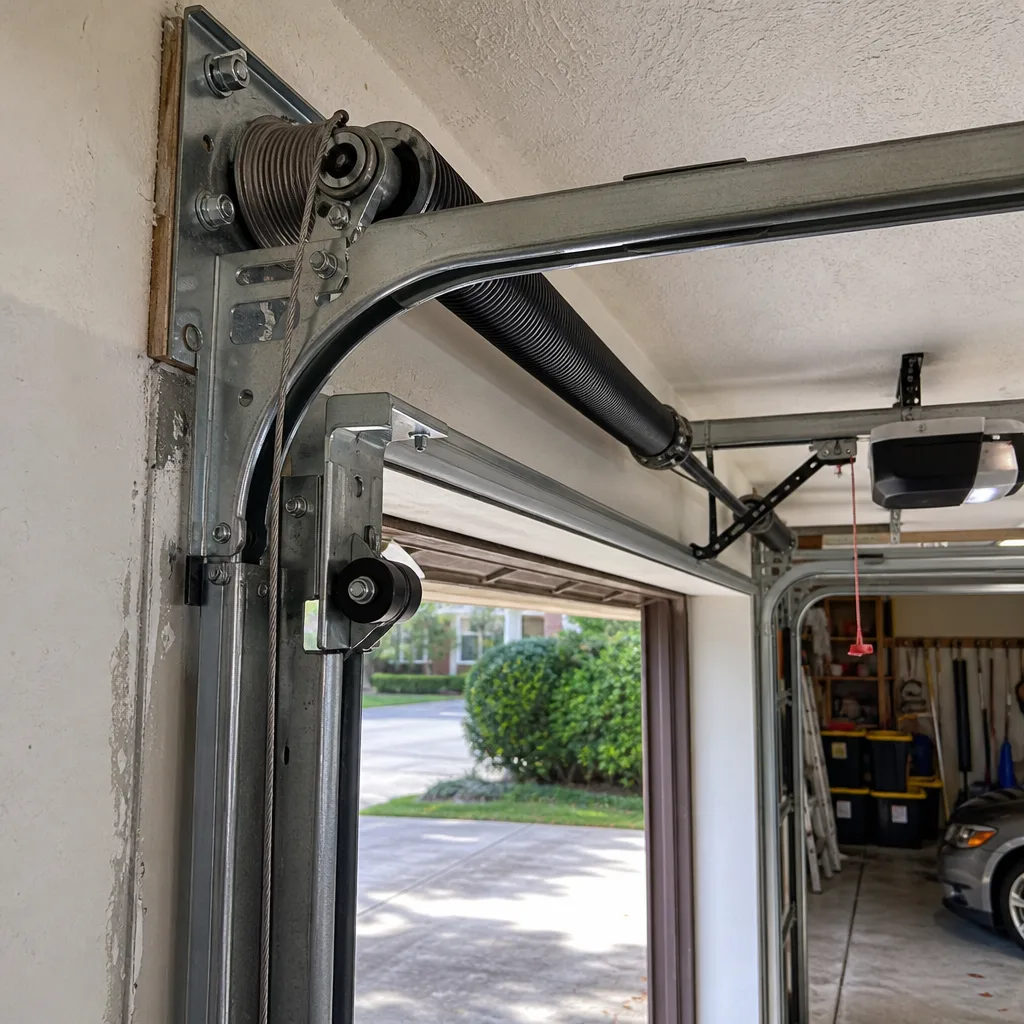 After
AfterGarage Door Permits, Codes & Inspections in TX: What You Need to Know
Most homeowners in Bellaire assume a garage door swap is as simple as removing the old panel and hanging the new one. That assumption has cost more than a few sellers a clean home inspection and more than a few contractors a stop-work order from the city. Because Bellaire is an incorporated city with its own building department, the rules that apply in unincorporated Harris County do not apply here. In this guide, we will walk through exactly when a permit is required, how Bellaire’s inspection process works, what wind-load codes mean for your door selection, and how to fix unpermitted work from a previous owner without turning your garage into a construction zone. For more guides & resources, see our full blog.
Quick Answer
In Texas, garage door permits are governed at the city level, not the state level. In Bellaire, a permit is required when your project involves structural header modification, new electrical circuits for an opener, or any change to the wind-load rating of the door. A straightforward like-for-like replacement of the same size door on the same header typically does not require a permit, though Bellaire’s building department can confirm your specific scope in a five-minute phone call.
Table of Contents
- When Is a Permit Required in Bellaire?
- The Like-for-Like Replacement Exception
- Bellaire vs. Unincorporated Harris County: Different Rules
- Wind Load Requirements in the Houston Coastal Zone
- The Bellaire Inspection Process Step by Step
- The Home-Sale Risk: Unpermitted Work and Disclosure
- How to Handle Unpermitted Work from a Previous Owner
- Permit Costs and Timelines in Bellaire
When Is a Permit Required in Bellaire?
Bellaire’s building department operates under the International Residential Code (IRC) with Texas amendments, and the city has adopted specific language about garage door work that trips up homeowners who expect a single statewide rule. Here is the practical breakdown of what triggers a permit requirement.
Permit required:
- Modifying or replacing the structural header above the door opening
- Installing a new electrical circuit to power a garage door opener
- Changing the door width or height, which alters the rough opening
- Upgrading or downgrading the wind-load rating of the door assembly
- Converting a windowed panel section to a solid panel or vice versa, if it changes the engineered load path
- Any work in a floodplain or flood-prone area of Bellaire, where additional elevation requirements may apply
No permit required:
- Replacing a door with the same dimensions on the same header, using the same or equivalent wind-load rating
- Replacing springs, cables, rollers, or hinges on an existing door
- Replacing an opener on an existing dedicated circuit
- Cosmetic changes: painting, decorative hardware, or window inserts that do not alter the panel structure
The header modification rule surprises more homeowners than any other. In older Bellaire homes, particularly those built in the 1960s and 1970s near Evergreen Street and the original Bellaire subdivisions, garage door openings were often framed with double 2×10 or triple 2×8 headers that barely meet today’s span tables. When a homeowner wants to widen the opening for a larger vehicle or a side-mount opener configuration, that header must be engineered to current IRC standards. The city requires a permit, an approved plan, and a structural inspection.
We have seen contractors skip this step. They install the wider door, patch the drywall, and move on. Two years later, the homeowner sells the house, the buyer’s inspector measures the header, and the deal stalls until an engineer certifies the repair or the seller pays for a retrofit. The permit cost is a few hundred dollars. The retroactive fix often runs into the thousands.
The Like-for-Like Replacement Exception
Bellaire’s building department follows a principle common to most IRC jurisdictions: if you are not changing the building’s structure, envelope, or safety systems, you generally do not need a permit. Applied to garage doors, this means a like-for-like replacement is exempt.
But “like-for-like” has specific boundaries that contractors working across multiple jurisdictions sometimes misstate. Here is how Bellaire interprets it:
- Same rough opening dimensions. The new door must fit the existing width and height without cutting the jambs or header. Even a two-inch width increase to accommodate a wider track assembly can cross the line.
- Same or equivalent wind-load rating. Bellaire sits in wind exposure Category C, with some areas near the bayou potentially qualifying for Category D considerations. Your replacement door must carry a wind-load sticker equal to or greater than the original. Downgrading to a cheaper door with a lower rating requires a permit and engineering review.
- No new electrical work. If your old opener was hardwired or plugged into an existing receptacle, replacing it with a new unit on the same circuit is fine. Running a new 120V or 240V dedicated circuit triggers electrical permitting.
- No structural changes to the track mounting or spring anchor points. Converting from extension springs to torsion springs is usually acceptable if the anchor bracket attaches to the same header location. Moving the spring system to a rear-mounted torsion setup on the back wall may require review.
Where homeowners get into trouble is buying a door online from a national retailer that does not verify local code compliance, ignoring Garage Door Warning Signs: A Bellaire Homeowner’s Reference Guide. A 16×7 door rated for 20 PSF wind load might be legal in Dallas or Austin, but Bellaire’s coastal proximity means many homes need 25 PSF or higher. The door arrives, the installer hangs it, and no one checks the sticker until the home inspector does.
At Garage Door Installation in Bellaire, we verify the wind-load rating against the property’s exposure category before we quote. It is part of the flat price conversation, not an afterthought.
Bellaire vs. Unincorporated Harris County: Different Rules
This is where the most expensive misunderstandings happen. Bellaire is completely surrounded by Houston but maintains its own incorporated status, its own building department at 7008 South Rice Avenue, and its own chief building official. Harris County Precinct One does not inspect Bellaire properties. Contractors who work both inside and outside the city limits sometimes apply the wrong standard.
Here are the practical differences:
- Permit thresholds. Unincorporated Harris County generally follows the county’s amended IRC, which in some cases allows larger exemptions for minor residential work. Bellaire’s code is more tightly enforced, with no informal “handyman exemption” for structural garage work.
- Inspection scheduling. Harris County uses a third-party inspection contractor with online scheduling. Bellaire’s building department schedules directly through city staff, typically with 24-48 hour notice for garage door inspections. Walk-ins are not accepted for structural inspections.
- Electrical separation. In Harris County, minor electrical work under 30 amps may fall under a general repair exemption in certain unincorporated areas. Bellaire requires a separate electrical permit and inspection for any new garage door opener circuit, regardless of amperage.
- Plan review requirements. Bellaire requires engineered drawings for header modifications in all cases. Harris County unincorporated may accept a prescriptive span table calculation from a licensed contractor for smaller openings.
- Certificate of occupancy tie-ins. Bellaire links garage door inspections more closely to the property’s certificate of occupancy records. Unpermitted work discovered during a sale can trigger a full compliance review that includes other systems, not just the garage.
We have answered calls from Bellaire homeowners who hired a contractor based in Katy or Spring, were told “permits aren’t needed for garage doors,” and later received a notice of violation from the city. The contractor is long gone. The homeowner pays the fine, pulls the permit retroactively, and schedules the inspection. The whole process adds two to four weeks to what should have been a one-day job.
Carl Dutton has handled these situations personally. The pattern is predictable: a contractor works mostly in unincorporated areas, assumes Bellaire follows the same rules, and either does not know or does not mention the permit requirement. The homeowner, trusting the professional, signs off. The problem surfaces years later, usually at the worst possible time.
Wind Load Requirements in the Houston Coastal Zone
Texas does not have a single statewide wind code for garage doors. Instead, the IRC references ASCE 7 wind speed maps, and Texas amendments add provisions for the Gulf Coast. Bellaire’s location, roughly 15 miles inland from Galveston Bay, places most properties in wind exposure Category C with basic wind speeds of 140-150 mph per the most recent ASCE 7-22 maps. Some low-lying areas near Braes Bayou may trigger Category D considerations.
What this means for your door:
- Panel construction. Standard 25-gauge steel doors common in inland markets often do not meet Bellaire’s wind-load requirements. Most homes here need 24-gauge or heavier, or reinforced 25-gauge with vertical struts.
- Track and hardware. Wind-rated doors require heavier track gauges, more fasteners into the jambs and header, and reinforced roller brackets. The door assembly is tested as a system; swapping in lighter hardware voids the rating.
- Bracing and struts. Wider doors, 16 feet and above, typically require horizontal or vertical struts to prevent panel blowout in high winds. Clopay’s WindCode doors and certain Amarr and Wayne Dalton coastal series include these as standard, not optional.
- Pressure rating. The sticker on the door or in the installation manual states the design pressure in PSF (pounds per square foot). For Bellaire, we typically see requirements of 20-25 PSF for standard homes, with some engineered requirements up to 30 PSF for large openings or elevated wind exposure.
The Houston climate adds another factor: humidity and salt air. Even inland, the prevailing southeast winds carry enough moisture and airborne salinity to accelerate corrosion on underspecified hardware. We see this in Bellaire’s older neighborhoods, where original track hardware from the 1980s has deteriorated faster than identical hardware in drier Texas cities. A wind-rated door with galvanized or stainless hardware costs more upfront and lasts substantially longer.
When we quote a Garage Door Repair in Bellaire that involves panel replacement, we check the existing wind-load sticker. If the original door was properly rated and we are matching it, no permit is needed. If the original was never rated, or the rating has been superseded by newer code cycles, we flag it for the homeowner’s decision.
The Bellaire Inspection Process Step by Step
Understanding the sequence helps you plan around it and avoid the frustration of a failed inspection that pushes your project back a week.
Step 1: Determine scope and permit type
Call Bellaire’s Building Department at (832) 937-9424 or visit in person. Describe your project: door dimensions, whether the header is being modified, whether electrical work is involved, and the wind-load rating of the proposed door. Staff will confirm whether you need a building permit, an electrical permit, or both. For straightforward replacements, they may confirm no permit is needed and note the call on your property record.
Step 2: Submit application and plans
If a permit is required, submit the application with:
- Site plan showing the garage location on the property
- Door specifications including manufacturer, model, size, and wind-load rating
- Structural drawings for any header modification, sealed by a Texas-licensed engineer
- Electrical plans for new circuits, including load calculations
- Contractor license and insurance documentation (Bellaire requires this for all permitted work)
Step 3: Plan review
Bellaire’s plan review for residential garage door permits typically takes 3-5 business days for straightforward projects, 7-10 days if structural engineering is involved. The reviewer checks wind-load compliance, header calculations, and electrical load against the IRC and city amendments. You will receive approval, a request for corrections, or a call for clarification.
Step 4: Pay permit fees and schedule inspections
Once approved, pay the permit fee at the building department. Fees are covered in the next section. You will receive an inspection card listing the required inspections: typically a rough inspection for structural/electrical work and a final inspection for the completed installation. Schedule inspections 24-48 hours in advance through the building department.
Step 5: Rough inspection (if applicable)
For header modifications, the rough inspection occurs before drywall or finish materials cover the work. The inspector verifies header size, fastening, and bearing. For electrical work, the rough inspection checks wire gauge, conduit, box placement, and grounding before wall closure. Both must pass before proceeding.
Step 6: Final inspection
The completed installation is inspected for proper door operation, safety sensor function, wind-load sticker verification, and electrical final if applicable. The inspector tests the auto-reverse on the opener, measures the photo-eye height (no higher than 6 inches per IRC), and confirms the disconnect handle is within reach. A passing final releases the permit and updates the property’s compliance record.
Step 7: Certificate of completion
Retain your certificate. If you sell the home, this document proves the work was permitted and inspected. Bellaire’s records are searchable by future buyers and their inspectors.
The Home-Sale Risk: Unpermitted Work and Disclosure
Texas property code requires sellers to disclose known defects and code violations on the Seller’s Disclosure Notice. Unpermitted garage door work, particularly structural modifications, falls into this category if the seller knows or should know about it. The “should know” standard catches many homeowners who inherited the problem from a previous owner.
Here is how the risk typically surfaces:
A buyer makes an offer on a Bellaire home. The buyer’s inspector, working from the Texas Real Estate Commission standards of practice, notes the garage door header appears newer than the surrounding framing or lacks the fastening pattern consistent with original construction. The inspector recommends the buyer verify permits. The buyer’s agent pulls Bellaire’s permit history for the address. No permit appears for the garage door work completed in 2019.
At this point, several outcomes are possible:
- The buyer demands the seller obtain a retroactive permit and inspection, delaying closing 2-4 weeks.
- The buyer negotiates a price reduction, often $2,000-$5,000, to cover the risk and future remediation cost.
- The buyer’s lender or insurer flags the issue and requires resolution before funding.
- In rare cases, the deal collapses and the seller must disclose the unpermitted work to the next buyer.
The upfront permit cost for a garage door replacement in Bellaire, including plan review and inspections, typically runs $200-$450 depending on scope. The retroactive process, including engineer review of existing work, permit fees with potential penalties, and any required modifications to bring the installation to current code, routinely costs $1,500-$4,000. The math is not complicated.
We have worked with Bellaire homeowners in this exact situation. The 90-Day Done Right Promise covers our own work, but we cannot warranty a door installed by someone else with an unverified header or incorrect wind rating. In those cases, we quote the remediation honestly and complete it so the homeowner has clean documentation for the sale.
How to Handle Unpermitted Work from a Previous Owner
Discovering unpermitted garage door work does not automatically trigger a punitive response from Bellaire’s building department. The city has a process for bringing existing work into compliance without treating the homeowner as a violator, provided the approach is transparent and the work can be verified as safe.
Option 1: Voluntary compliance review
Contact the building department and request a voluntary compliance review. Explain that you discovered unpermitted work from a prior owner and want to bring it into compliance. The city will schedule an inspector to evaluate the installation against current code. If the work meets or can be brought to code with minor corrections, you pay the permit fee retroactively, the inspector passes the installation, and you receive a certificate. No penalty, no stop-work order, no violation record.
Option 2: Engineered evaluation with deferred permitting
If the installation appears sound but lacks documentation, hire a Texas-licensed structural engineer to evaluate the header and door assembly. The engineer’s letter, sealed and submitted to the building department, may satisfy the structural requirement without exposing the framing. You still need the permit and final inspection, but the process moves faster with professional documentation.
Option 3: Full remediation and reinstallation
If the unpermitted work is unsafe, does not meet wind-load requirements, or uses non-compliant materials, the practical path is often to remove and reinstall with proper permitting. This is more common with DIY installations or work by unlicensed contractors who used residential-grade doors in a coastal wind zone. We have replaced doors in Bellaire where the previous installer used a 20 PSF door rated for inland Dallas suburbs, with track fastened by wood screws into drywall anchors. The homeowner had no idea until the door failed in a tropical storm.
The key in all three options: do not conceal the issue. Bellaire’s building department responds to cooperation, not to perfection. A homeowner who proactively seeks compliance receives a different treatment than one who is discovered during a complaint or sale dispute.
Permit Costs and Timelines in Bellaire
Permit fees in Bellaire are set by city ordinance and adjusted annually. The following ranges reflect our experience with recent projects; confirm current fees with the building department before budgeting.
| Permit Type | Typical Fee Range | Timeline |
|---|---|---|
| Building permit, like-for-like replacement (if required for special circumstances) | $75 – $150 | Same-day to 2 days |
| Building permit with structural/header modification | $200 – $350 | 5-10 days with plan review |
| Electrical permit, new opener circuit | $100 – $175 | 2-3 days |
| Combined building and electrical permit | $275 – $450 | 7-10 days |
| Re-inspection fee (if first inspection fails) | $50 – $100 | 24-48 hours reschedule |
| Voluntary compliance / retroactive permit | Standard fee + possible 25% penalty | Varies by scope |
These fees do not include engineering costs for header modifications, which typically run $400-$800 for a residential garage opening. They also do not include the cost of any required corrections if the installation fails inspection.
Timeline planning: a straightforward permitted replacement with no structural changes can be completed in 5-7 business days from application to final inspection. Structural work adds a week for engineering and plan review. Retroactive compliance depends on how quickly you can document or remediate the existing installation.
For homeowners comparing quotes, ask contractors whether their price includes permit fees and scheduling. At Mainspring Garage Door Co. home, we itemize permit costs separately so you see exactly what the city charges versus what we charge for labor and materials. No surprises on the bill.
Common Mistakes to Avoid
- Assuming Harris County rules apply in Bellaire. Contractors who work primarily in unincorporated areas often give incorrect advice. Verify permit requirements directly with Bellaire’s building department.
- Buying a door without checking the wind-load sticker. Online retailers and big-box stores sell inventory that meets various regional codes. A door legal in San Antonio may fail inspection in Bellaire.
- Letting an installer “handle the permit” without seeing the documentation. Unscrupulous contractors claim to pull permits and never do. Request the permit number and verify it with the city before work begins.
- Ignoring the header on a wider door installation. The visual appeal of a larger opening means nothing if the header sags or fails inspection. Engineering is not optional for structural modifications.
- Skipping the electrical permit for a new opener circuit. Homeowners focus on the door and forget the opener. A new 120V circuit in a garage requires electrical permitting in Bellaire, period.
- Failing to disclose unpermitted work when selling. Even work from a previous owner must be disclosed if you are aware of it. The penalty for nondisclosure exceeds the cost of retroactive compliance.
- Using a non-wind-rated door to save money. The upfront savings of $200-$400 on a cheaper door evaporates when it fails inspection, voids your insurance claim after storm damage, or requires early replacement.
When to Call a Professional
Permit research is straightforward for simple replacements, but the line between exempt and permitted work moves depending on your home’s age, location, and previous modifications. Call a professional when your project involves header changes, electrical work, any door size alteration, or when you discover documentation gaps from prior owners. Our How to Hire a Garage Door Contractor in Bellaire: A Step-by-Step Guide can help.
Mainspring Garage Door Co. offers free estimates in Bellaire. We verify permit requirements before quoting, pull permits when needed, and schedule inspections around your availability. Our trucks carry springs, cables, openers, and hardware from major brands including LiftMaster, Chamberlain, and Genie, so most jobs finish in a single visit. Call (832) 937-9424 to discuss your project.
Frequently Asked Questions
A straightforward like-for-like replacement of the same size door on the same header typically does not require a permit in Bellaire, though you should still follow a Garage Door Repair Maintenance Checklist for Bellaire Homeowners. You need a permit if the project involves structural header modification, new electrical circuits for an opener, or a change to the wind-load rating. Call Bellaire’s Building Department at (832) 937-9424 to confirm your specific scope.
Building permits for garage door work in Bellaire typically range from $75 for simple replacements to $450 for combined building and electrical permits with structural modifications. Electrical-only permits for new opener circuits run $100-$175. Confirm current fees with the building department, as they adjust annually. Call (832) 937-9424 for a free estimate that itemizes permit costs separately from labor and materials.
Most Bellaire properties require a garage door rated for 20-25 PSF (pounds per square foot) design pressure, with some homes in elevated wind exposure areas needing up to 30 PSF. The exact requirement depends on your property’s wind exposure category, door size, and proximity to open terrain or water. Check the existing door’s wind-load sticker or consult a professional who can verify against ASCE 7-22 maps for your address.
Yes. Bellaire offers a voluntary compliance review process where you can request inspection of existing work without triggering a violation. If the installation meets current code, you pay the retroactive permit fee and receive a certificate of completion. If corrections are needed, you remediate and re-inspect. The city responds favorably to proactive disclosure. Contact the building department to start this process before listing your home for sale.
From permit application to final inspection, a straightforward permitted replacement takes 5-7 business days. Structural modifications requiring engineered plans take 10-14 days. Inspections themselves are scheduled 24-48 hours in advance and typically take 30-45 minutes on site. Plan for additional time if the first inspection reveals corrections.
No. At Mainspring Garage Door Co., the flat price is stated before any work begins. If we discover unpermitted prior work during your project, we stop, explain the situation, and quote any additional scope separately. You approve it in writing or we proceed only with the original agreed scope. No surprises on the bill.
The Bottom Line
Texas delegates garage door code enforcement to cities, and Bellaire’s independent building department enforces standards that differ from unincorporated Harris County. A permit is required for structural, electrical, or wind-load changes, not for like-for-like replacements. The cost of compliance is modest compared to the expense and delay of retroactive remediation during a home sale. Wind-load ratings matter in Bellaire’s coastal climate, and documentation matters for every future transaction. Verify requirements before work begins, keep your certificates, and when in doubt, ask the city directly or call a professional who knows Bellaire’s process.
Written by Carl Dutton, Owner at Mainspring Garage Door Co., serving Bellaire since 2016.